
Care intended to help you stay healthy, such as an annual well-woman exam and recommended screenings.
Care that evaluates or treats a specific symptom, concern, diagnosis, or ongoing condition.
You have a new symptom, feel unwell, or want to discuss a particular health problem.
You feel well and want an annual preventive exam, screenings, or a general wellness check.
Insurance applies only to eligible medical services. Medical aesthetic treatments are primarily self-pay, with financing options available for qualified patients.
Eligible women’s-health services may be submitted to insurance.
Self-pay; financing may be available. Insurance information is not used to price cosmetic treatments.
Insurance and medical billing can feel complicated. This guide explains what to check before your appointment, what may happen during your visit, and what to expect after care—so you can focus on your health.

Getting care shouldn’t feel complicated. Here’s how we make it simple, personalized, and built around you.
Check your insurance coverage, or see our self-pay pricing.
Pick the visit that fits your needs, from an annual exam to a specific concern.
Find a time that works for you.
Get ongoing, personalized care that evolves with you.
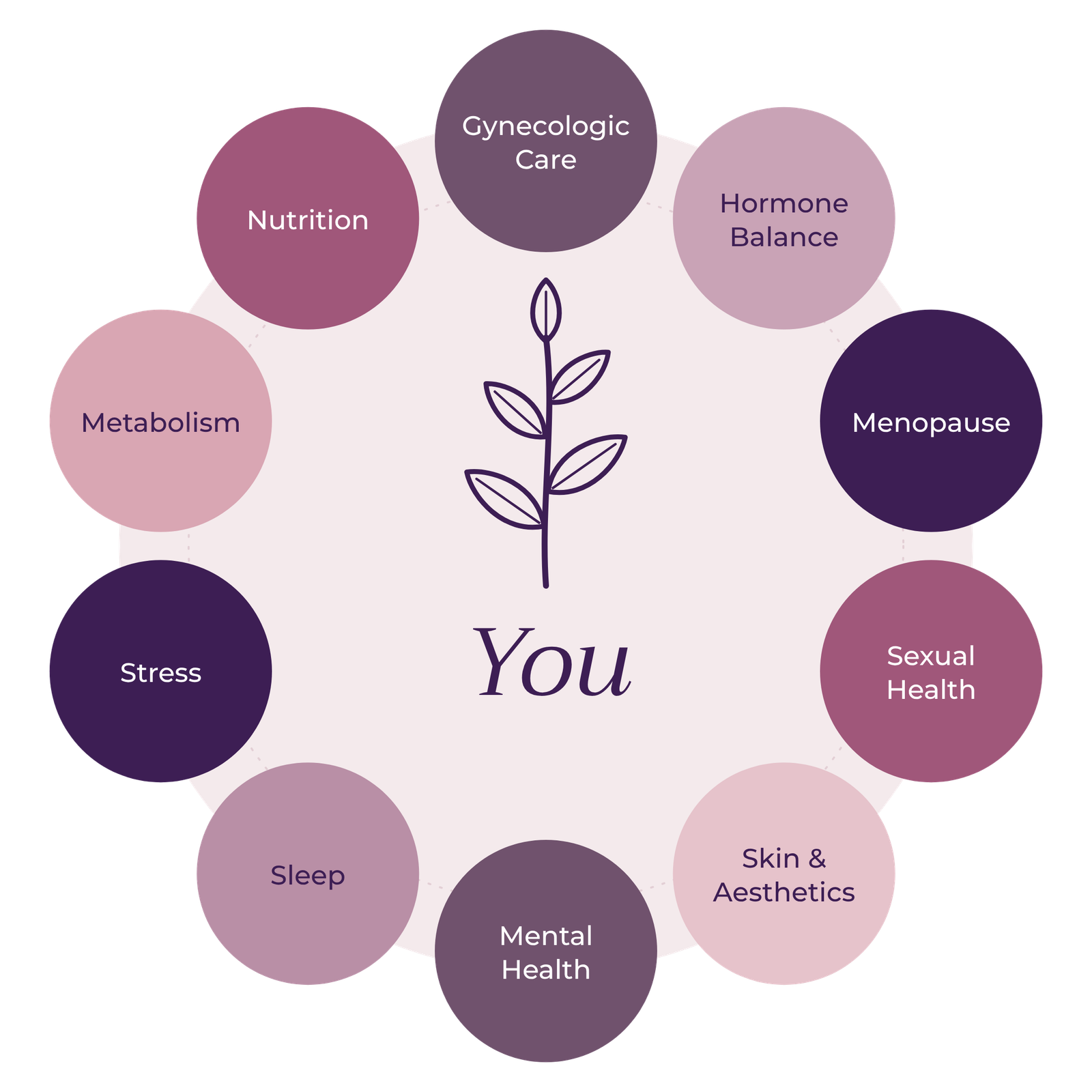
Getting care at SHAE should feel simple. Here is what to expect, from checking your coverage to starting your care plan.
No insurance? No problem. Our self-pay pricing is transparent, with no hidden fees, so you know the cost before your visit. Flexible payment plans are available through our financing options.
Established Patient: $125
Includes a full consultation with a women’s health provider.
Self-pay prices apply when a visit is not billed to insurance. Have questions about what is included? Contact us.

When a service is covered, your insurer has agreed to process it according to your plan. You may still owe a deductible, copay, or coinsurance.
SHAE Women’s Health accepts many major plans for eligible women’s-health services. Network participation and benefits can vary by plan and service.



Ask your insurance company: Is preventive care covered at 100%? Which screenings and labs are included? Is there a frequency limit? What happens if a preventive visit becomes diagnostic?
Your health plan may require you to pay part of the cost. These four terms explain how that share is calculated.
The amount you pay for covered services before your plan begins sharing eligible costs.
A fixed amount you may pay for a visit, test, or prescription.
A percentage of a covered service you may owe after meeting your deductible.
The most you pay for covered, in-network services during a plan year.
However, most in-network insurance does not cover diagnostic services during preventive exams, which will incur extra costs.

Care intended to help you stay healthy, such as an annual well-woman exam and recommended screenings.
Care that evaluates or treats a specific symptom, concern, diagnosis, or ongoing condition.
You have a new symptom, feel unwell, or want to discuss a particular health problem.
You feel well and want an annual preventive exam, screenings, or a general wellness check.
You have a new symptom, feel unwell, or want to discuss a particular health problem.
You feel well and want an annual preventive exam, screenings, or a general wellness check.
If your needs extend beyond SHAE’s scope, your clinician can discuss appropriate next steps and help you understand how your plan’s referral rules may apply.
Your insurer processes the claim first. SHAE then bills you for any amount your plan assigns to you.
This is the typical medical-billing sequence. Timing and exact processing vary by insurance company.
Laboratory testing may be processed and billed separately from your SHAE visit. Coverage and patient cost depend on the laboratory, test, and your individual plan.
Major cards may be used for patient balances. HSA/FSA eligibility is determined by your plan administrator.
If applicable, ask SHAE whether an itemized receipt or superbill is available, then confirm submission requirements with your insurer.
Keep your bill and EOB together. If the amounts do not match your expectations, call the insurer first to ask how the claim was processed, then contact SHAE with the EOB details.
Insurance applies only to eligible medical services. Medical aesthetic treatments are primarily self-pay, with financing options available for qualified patients.
Eligible women’s-health services may be submitted to insurance.
Self-pay; financing may be available. Insurance information is not used to price cosmetic treatments.
Clear answers to common coverage and billing questions.
Contact SHAE with your plan name and member information, and also call the number on your insurance card. Final coverage is determined when your insurer processes the claim.
No. Your deductible, copay, coinsurance, network status, and the services performed determine what you may owe.
A preventive visit may include separately billable diagnostic care if you ask your clinician to evaluate or treat a symptom or condition.
Not necessarily. Laboratory services can be processed and billed separately, and coverage varies by test and plan.
Medical aesthetic services are generally self-pay. SHAE offers separate financing and rewards options for qualified patients.
Review your EOB, ask your insurer how the claim was processed, and then contact SHAE with the claim or EOB details so the billing question can be reviewed.
Our team can help you prepare for your visit and point you toward the right next step. Your insurance company remains the final authority on benefits and payment.